A great school assembly does more than fill an hour on the calendar. It reinforces the culture a school is already building, gives students a shared memory to talk about, and gives staff a break from the usual routine. The ideas below are grouped by theme so principals, assistant principals, and PTO leaders can quickly find something that fits the goal of a specific date on the calendar.
What is the purpose of a school assembly?
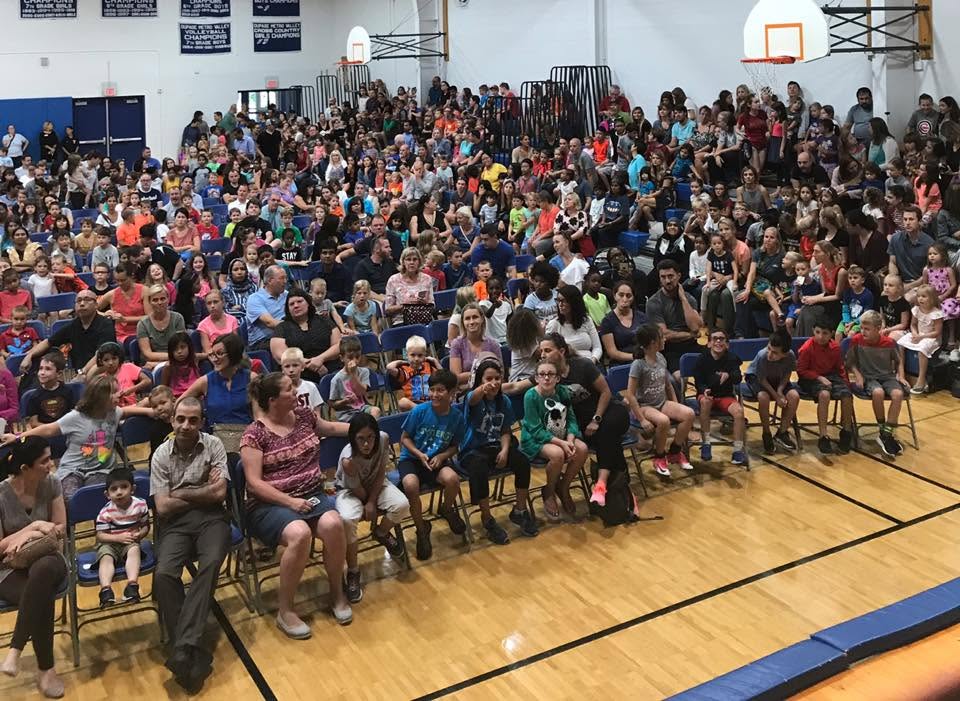
A school assembly gathers students together around a shared message, celebration, or experience that would not work as well in a single classroom. The best assemblies reinforce school-wide expectations, recognize student effort, or expose kids to ideas and people they would not otherwise meet. The point is not entertainment on its own. The point is a shared moment that supports what the school is already teaching.
With that in mind, here are 25 high-engagement school assembly ideas, organized by theme.
PBIS and behavior-focused assemblies
These work best when they use a school's own language, mascot, and expectations rather than a generic "be nice" message.
- A PBIS kickoff assembly at the start of the year that walks students through the school's matrix in a fun, active way.
- A mid-year reset assembly that revisits expectations right after winter break, when behavior data usually dips.
- A student-led "caught being good" recognition rally, with short shout-outs from teachers and staff.
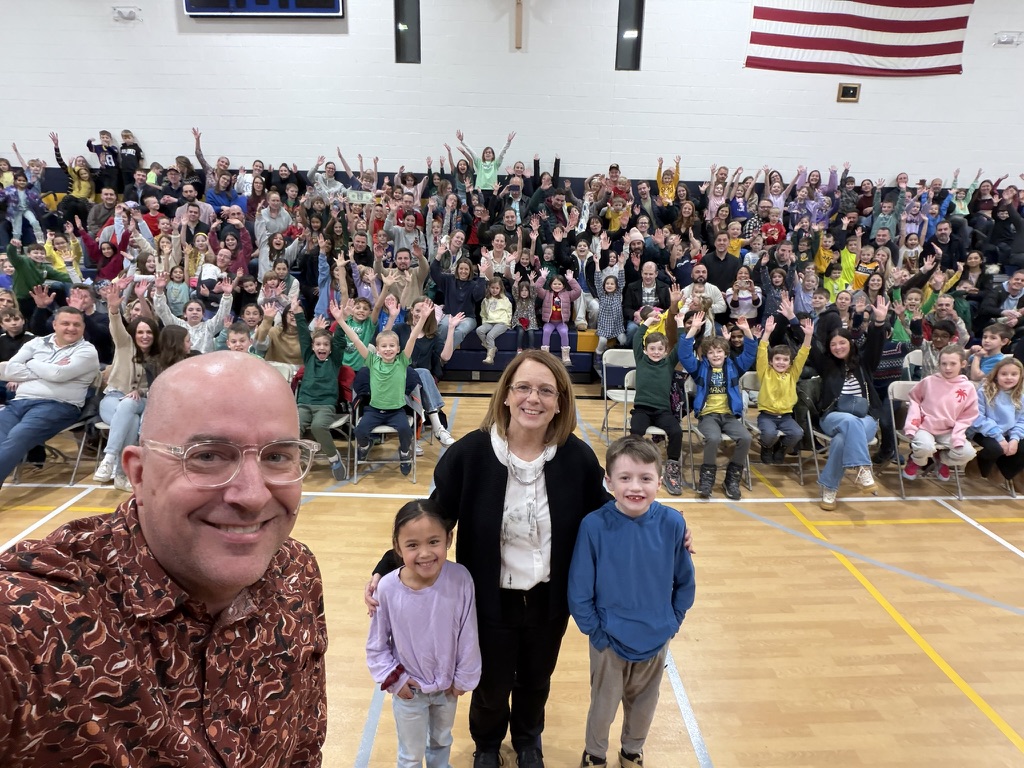
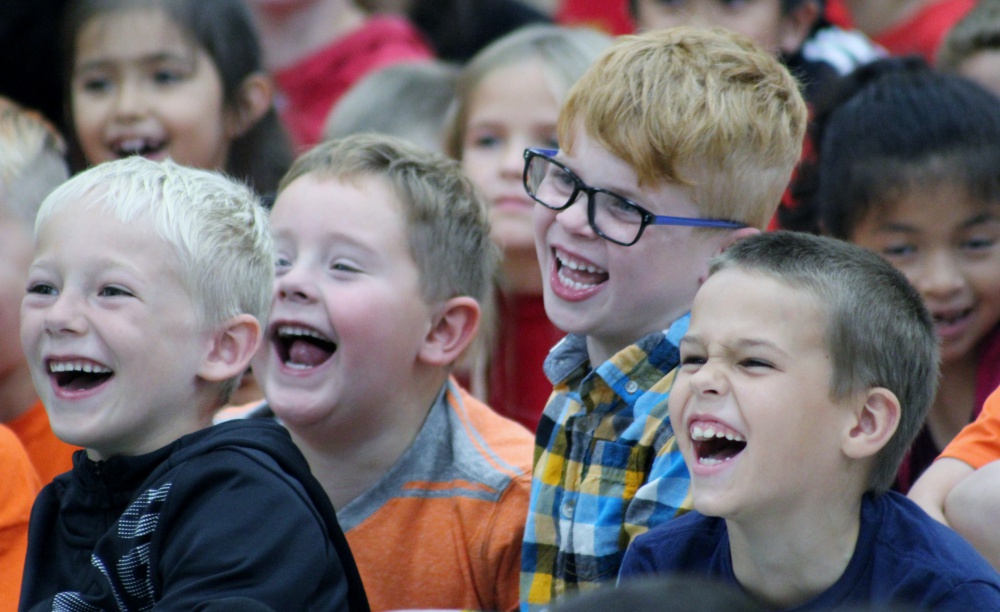
- A character-focused magic and comedy show that weaves honesty, respect, and kindness through the entire program instead of stopping for a lecture.
- A "one word" assembly where each grade level presents the behavior word they are working on for the trimester.
- A kindness week closing assembly that highlights specific stories collected from classrooms during the week.
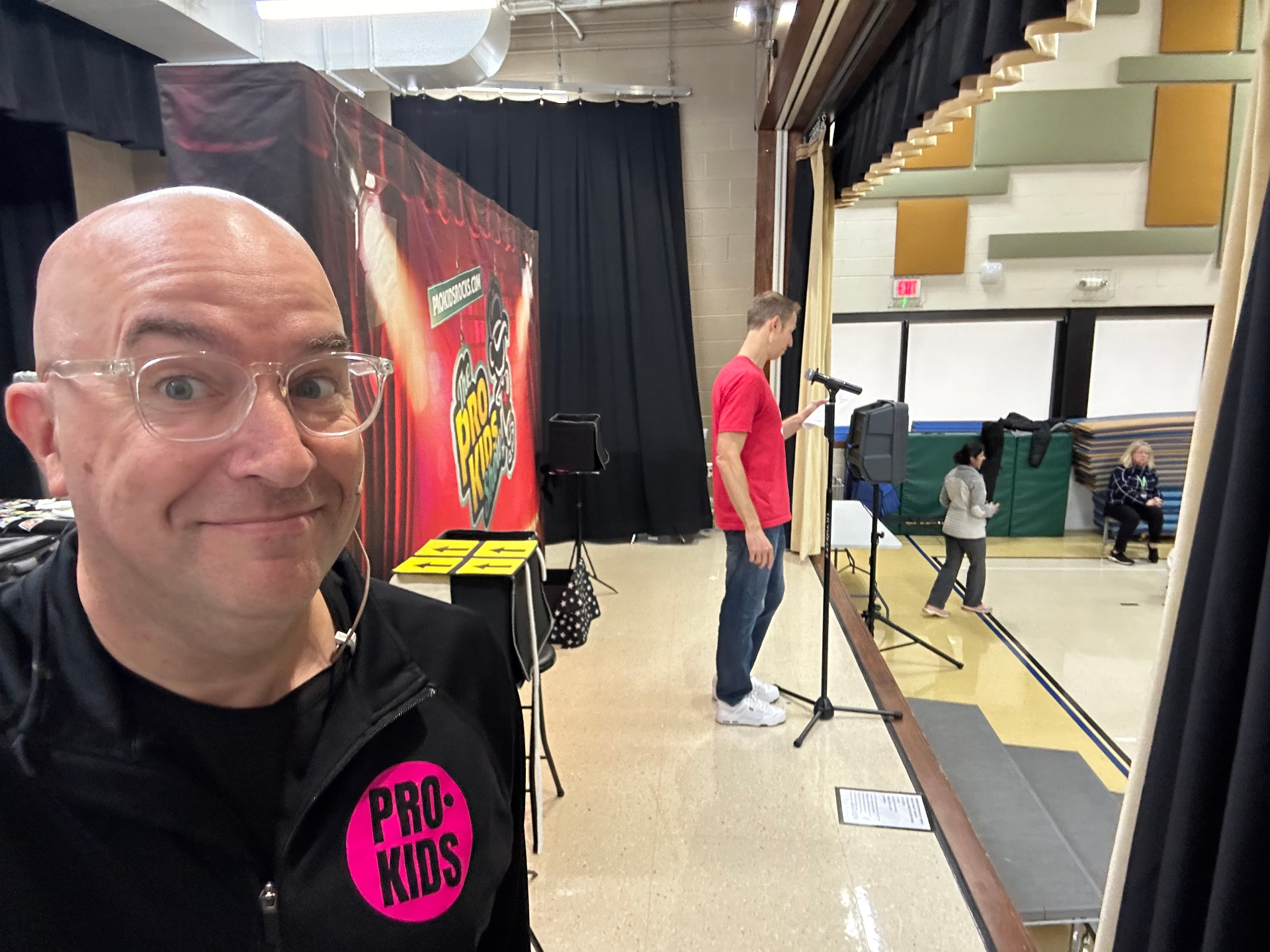
The Pro-Kids Show is built around this exact category, PBIS language, kickoff energy, and a character-driven magic and comedy show combined into a single visit.
STEM and curiosity-driven assemblies
STEM assemblies work best when kids get to see something happen live, not just listen to a talk.
- A hands-on science demo assembly with visible experiments and volunteer roles.
- An "ask a scientist" panel with local professionals from engineering, medicine, or research.
- A math and pattern show that uses puzzles, mental math, and audience participation.
- A robotics or coding demo led by the school's own STEM club, with a live build on stage.
- A weather or space assembly tied into a current unit for the grade level involved.
- A "how it's made" assembly with a local maker or small manufacturer.
Character and social-emotional assemblies
Character assemblies are the easiest place to lose middle schoolers. The message has to be delivered through a story or a performance, not stated at them.
- An anti-bullying assembly built around real student scenarios rather than slogans.
- A gratitude assembly leading into Thanksgiving with student-written notes read aloud.
- A perseverance assembly featuring a guest whose story involves visible failure and recovery.
- An empathy assembly that uses skits performed by older students for younger grades.
- A "leave it better" service kickoff assembly for a school-wide service project.
Arts and creativity assemblies
Arts assemblies expose students to performances and creators they might not otherwise encounter, and they double as a showcase for the school's own talent.
- A visiting musician or ensemble assembly with a short Q&A at the end.
- A drama club performance of a short play written and staged by students.
- A cultural heritage assembly built around student families sharing music, food, and stories.
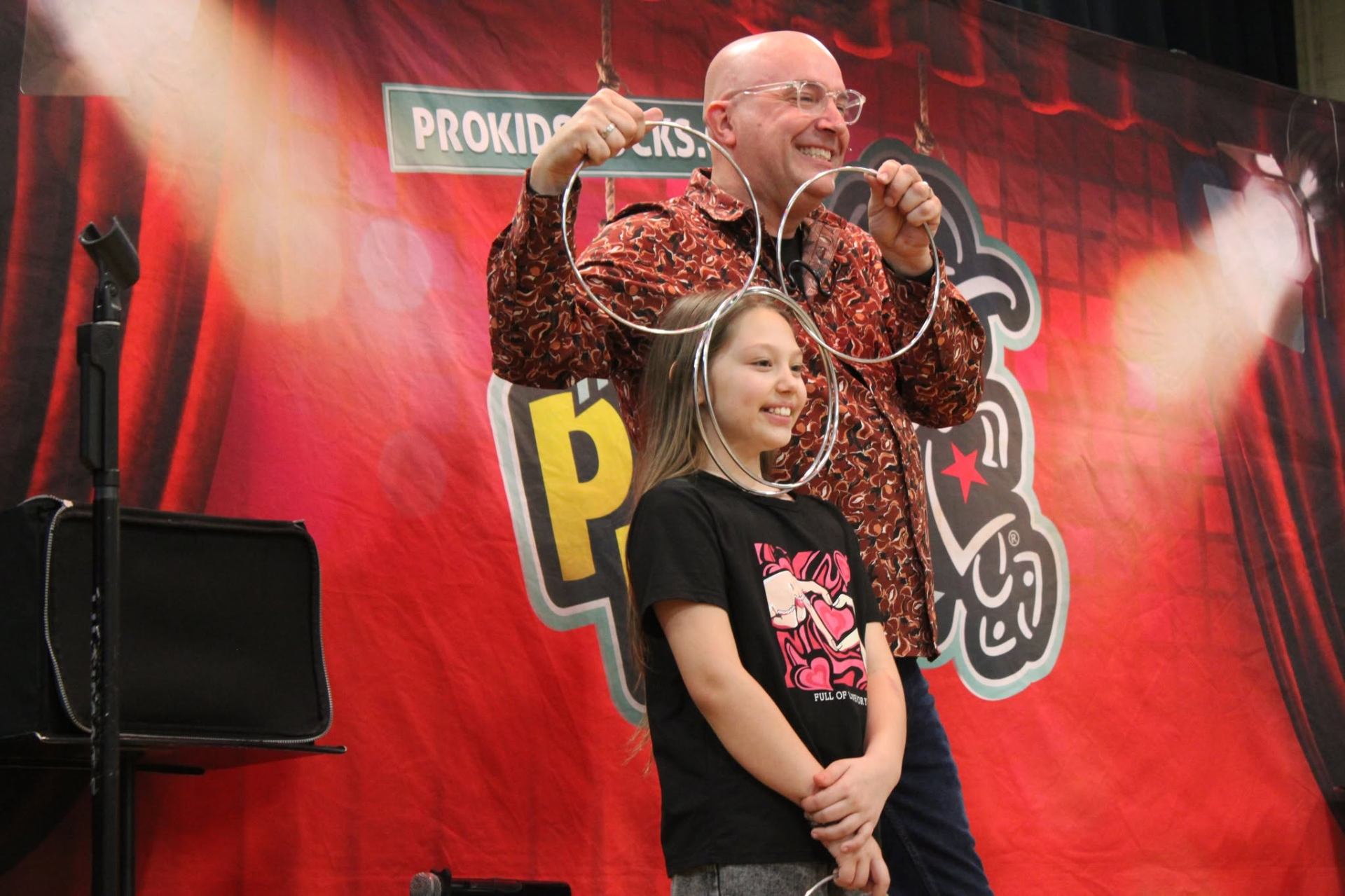
- A magic and storytelling assembly, like The Pro-Kids Show, that models presentation skills students can borrow.
- A talent show finale that closes out an in-class audition process.
Community and celebration assemblies
- An end-of-year awards assembly recognizing growth, not just top performance.
- A "meet the staff" assembly at the start of the year that introduces every adult in the building.
- A Family Night assembly, like The Pro-Kids Show's evening program, that brings caregivers into the building for the same experience the kids had during the day.
What separates a high-engagement assembly from a forgettable one
Across every category above, the assemblies that stick share a few traits. They speak the school's language instead of a generic one. They keep older students engaged alongside younger ones. They fold the message into the story instead of pausing the fun to deliver it. And they are easy on staff, with promotional materials, setup, and logistics handled outside of the school day.
The Pro-Kids Show was built around exactly that pattern. Every elementary assembly and middle school assembly is a full magic and comedy show that carries a character message from start to finish, scales from kindergarten through eighth grade, and comes with a private booking portal so staff have almost nothing to manage.
Where to start
Principals planning an assembly calendar often find it easier to pick one anchor assembly per trimester and build smaller in-house events around it. An outside performer or speaker in the fall, a mid-year reset, and a spring celebration is a common cadence. Whatever the mix, the assemblies that are still being talked about weeks later are the ones that gave students something specific to carry back into the classroom, not just a fun hour away from it.
Ready to bring Tim to your school?
Share this post