Most school assemblies are fun for an hour and forgotten by the next school day. If you're running a PBIS program, that's not good enough. You need something that actually connects to the language your school already uses, not something that exists next to it.
Here's what to actually look for.
It should use your school's own words, not generic ones.
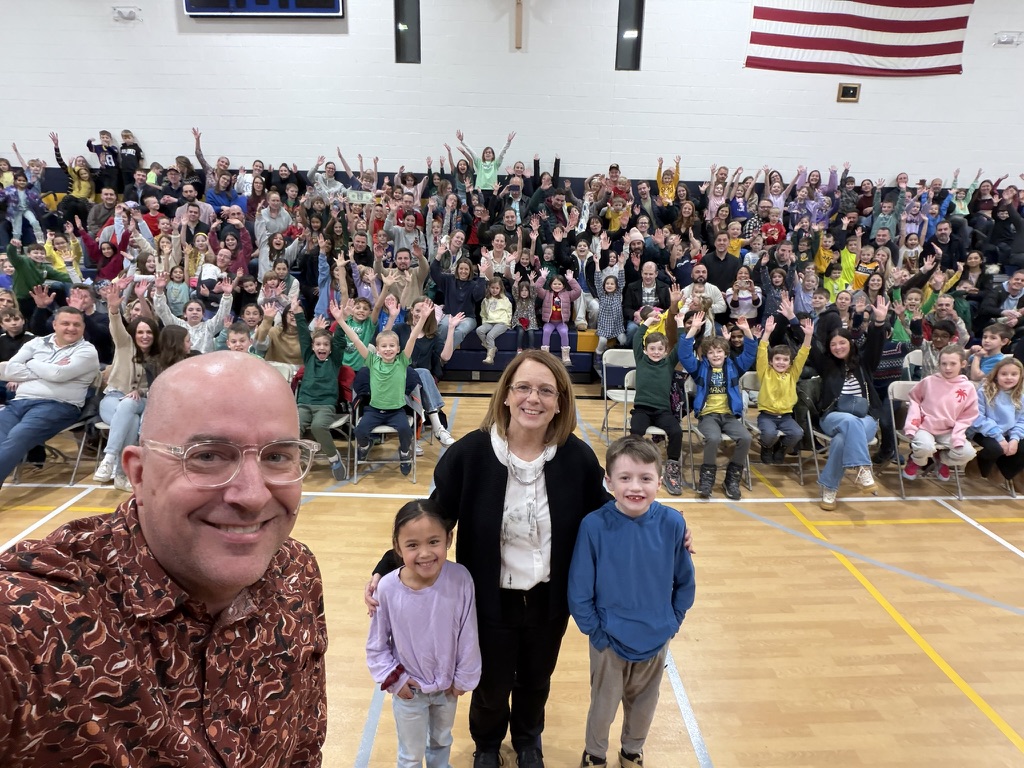
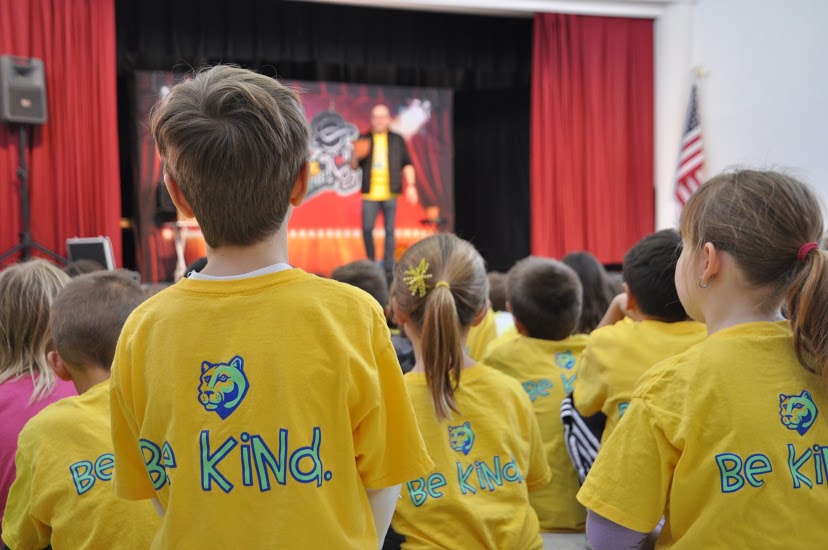
A strong PBIS assembly doesn't talk about "being nice" in the abstract. It uses your school's actual expectations, your acronym, your mascot, your specific language, and weaves it directly into the show. One assistant superintendent put it simply after a recent assembly: Tim "incorporated our district-wide behavior expectations into the show," and the dismissal that followed was "not only the quietest but the best I've seen."
That's not an accident. It's what happens when an assembly is built around your framework instead of a generic message dropped into any school in the country.
It should weave the message through the show, not deliver it as a separate lecture.
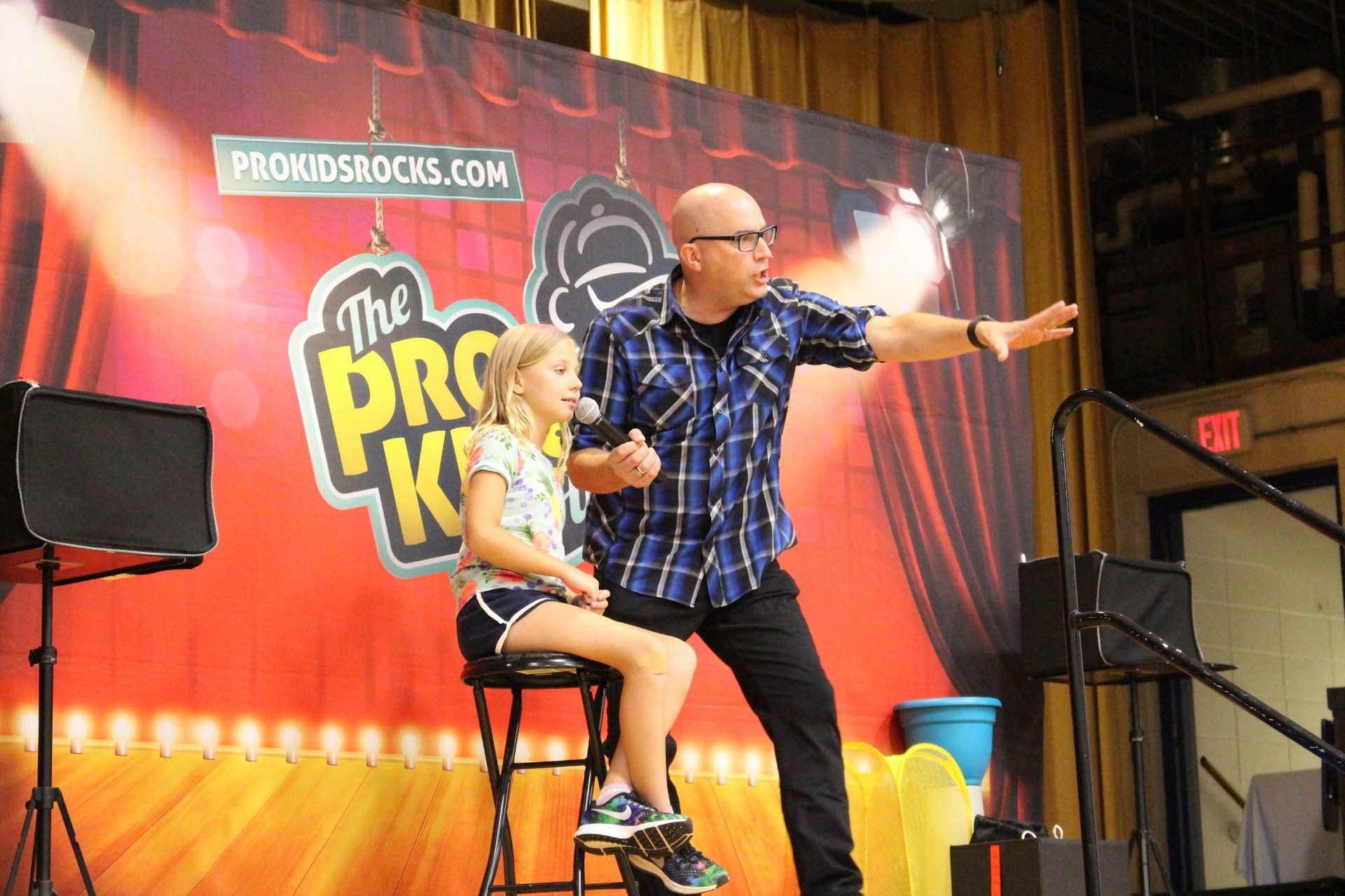
The best assemblies don't front-load thirty minutes of fun, then stop for a five-minute talk about character. Tim's show opens with the Pro-Kids theme song and the show's theme, then moves straight into demonstrating it, a chant about honesty and courage, a story he narrates and acts out that brings those two words to life. From there, a teacher and two students join him on stage for a routine that quietly touches on empathy, respect, and not giving up. Later, Vern the Bird recaps the full set, honesty, courage, respect, responsibility, kindness, and empathy, before the show closes on a heartfelt, kindness-focused send-off.
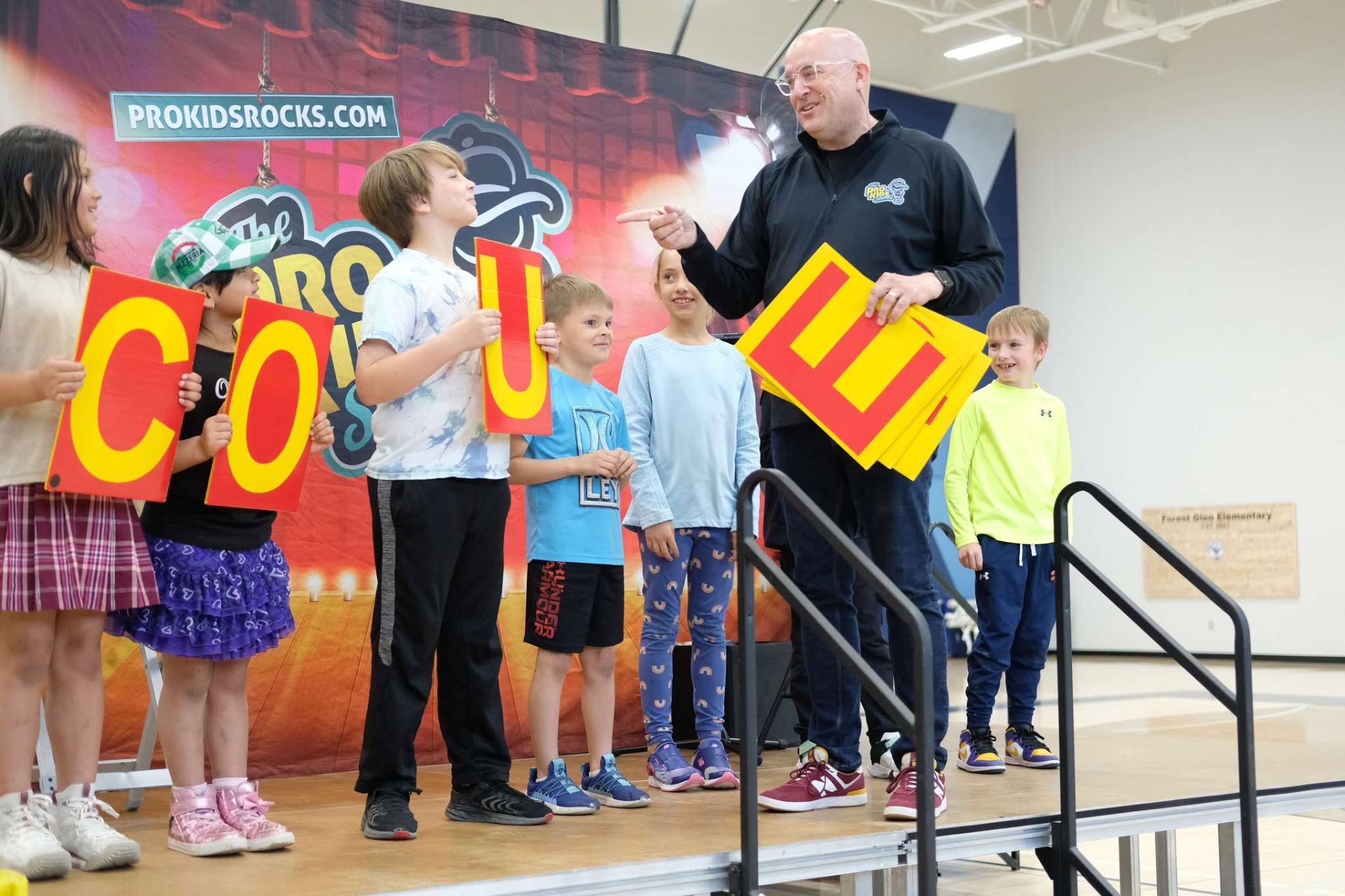
None of it feels like a lecture, because none of it is one. Kids aren't being talked down to. They're being included, seen, and trusted to pick up the message through the story itself, which is exactly why it sticks.
It should hold up for the whole school, not just younger grades.
A message that lands with kindergartners and loses sixth graders by the halfway mark isn't doing its job. Look for a show built to scale, one that keeps older students genuinely engaged instead of just tolerating it.
It should be easy for your staff, not one more thing to manage.
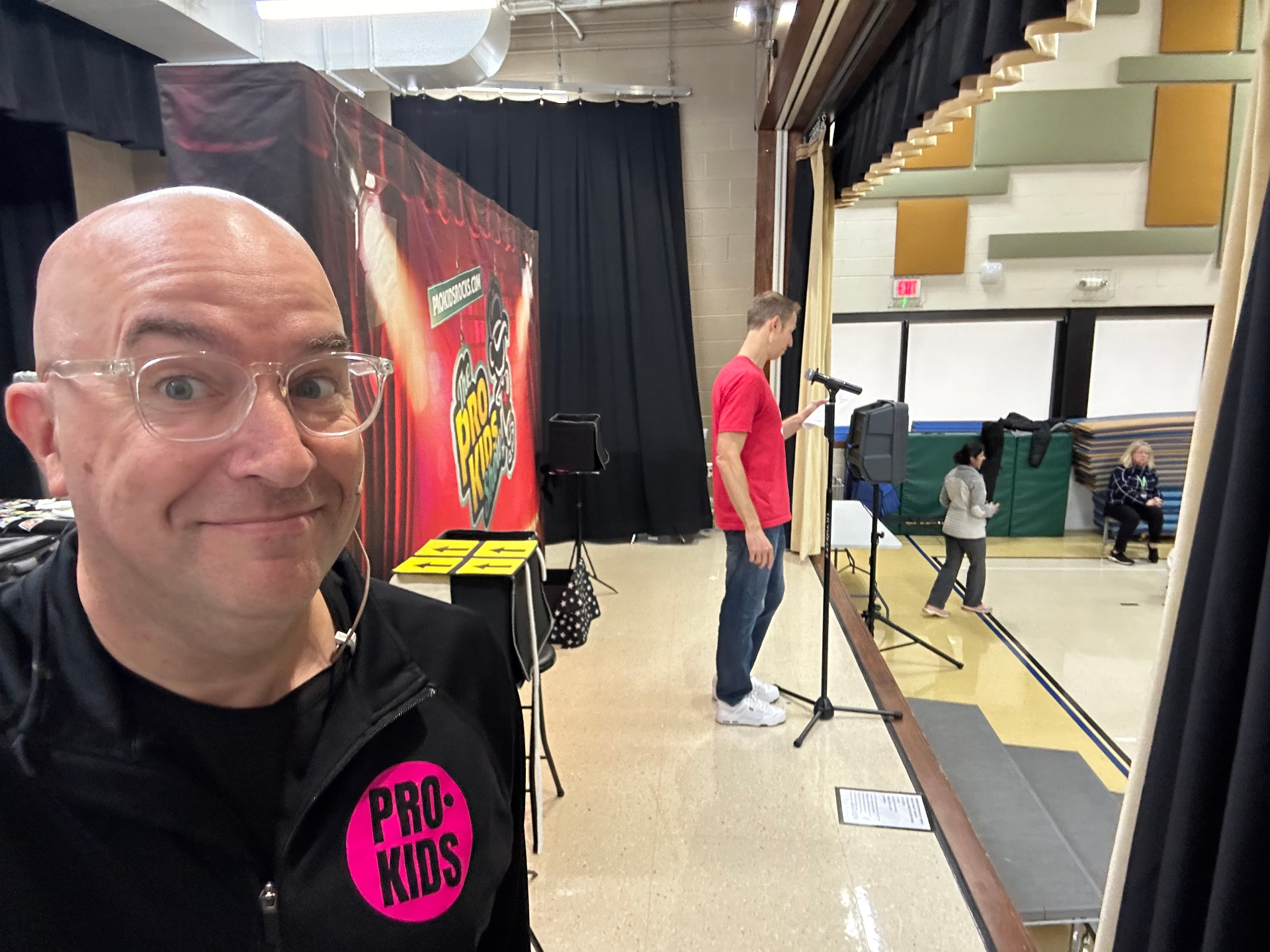
The best programs come with everything handled: booking, promotional materials, setup instructions for your team, so your staff can focus on the day itself instead of logistics.
The bottom line
A PBIS assembly should feel like it was built for your school, not rented for the afternoon. If it's using your language, weaving the message through the story instead of stopping for it, and making your staff's day easier instead of harder, it's doing the job right.
Ready to bring Tim to your school?
Share this post